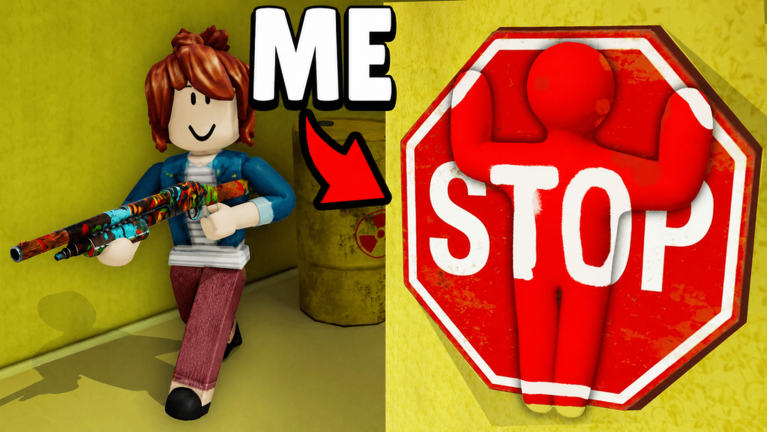
Paint Or Seek combines painting and camouflage to create a fast-paced hide-and-seek experience. Your goal as a Hider is to paint yourself to match the environment, stay hidden, and survive the round. When you get caught, you become a Seeker and hunt the remaining players. Here's how to get good at both roles.
Understand the Role Switch
Every time you get caught as a Hider, you immediately switch to being a Seeker. This means the game is always cycling through players — fewer Hiders means it gets easier for Seekers to spot you. Don't get discouraged if you're caught early; use your time as a Seeker to learn the map layout and watch how other players hide.
Match Your Paint to Your Surroundings
The core mechanic is painting yourself to blend in. Look at the walls, floors, and large objects around you, then pick colors that match them as closely as possible. If you're hiding near a blue wall, use blue paint. If you're on a brown wooden floor, paint yourself brown. The better your match, the longer you'll stay hidden.
Hide Near Large Objects
Don't just paint yourself and stand in the middle of an open room. Position yourself against walls, inside corners, or behind large objects. This breaks up your silhouette and makes you harder to spot, even if your paint isn't a perfect match. Combine your position with the right color and you become nearly invisible.
Use Walls and Floors Strategically
Blend into walls by painting yourself the same color and standing flat against them. For floors, press yourself into corners where walls meet. These are the hardest places for Seekers to scan quickly because they're less visually distinctive than other areas of the map.
Stay Still to Avoid Detection
Moving is what gives Hiders away. Seekers scan rooms looking for movement, not just color. Once you've found a good spot and painted yourself, stay put. Don't fidget or walk around unless a Seeker is actively searching near you.
Learn the Maps
Each round plays on a unique map with different layouts, colors, and hiding spots. Spend time exploring when you're a Seeker to memorize where people typically hide and what colors dominate each area. The more familiar you are with a map, the better your hiding spots will be.
Pick Less Obvious Hiding Spots
The most popular hiding spots get found first because Seekers learn to check them. If you keep hiding in the same corner as everyone else, you'll get caught quickly. Scout for unusual angles, tight corners, or areas other players overlook. A mediocre hiding spot that no one checks is better than a perfect one in a popular location.
Watch How Experienced Hiders Hide
When you're a Seeker, pay attention to where skilled players were hiding and how they painted themselves. Watch how they blend in with specific surfaces. This gives you real-world examples of what actually works instead of guessing.
As a Seeker, Scan Systematically
When you switch to Seeker mode, don't just run around randomly. Scan each room methodically from top to bottom, left to right. Look for Hiders that don't quite match their surroundings. Corners, against walls, and under overhangs are the highest-probability hiding spots.
Check Corners and Edges First
As a Seeker, most Hiders cluster in corners and along walls. These spots are safe and easy to paint. Check these areas first before searching open spaces. Many rounds are won by Seekers who focus on high-traffic hiding zones.
Survive Longer to Climb the Leaderboard
The leaderboard tracks wins and survival. The longer you last as a Hider before getting caught, the better your score. Prioritize staying hidden over exploring. Playing it safe rewards you more than taking risks.