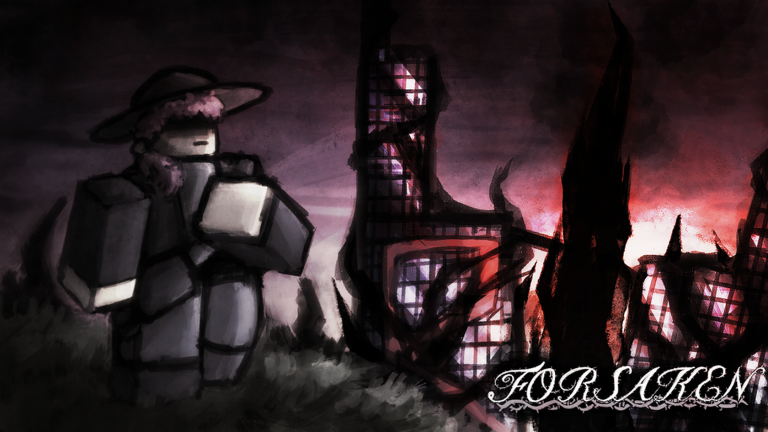
Forsaken is an asymmetrical multiplayer game split into two sides: Survivors work together to protect teammates and complete objectives until time runs out, while Killers hunt them down to eliminate everyone. Once you commit to a match, you're locked in until the end.
Whether you're hunting or hiding, the same core skills separate winners from losers. Learn counter-looping mechanics, stamina control, map awareness, and when to prioritize targets.
Survivor Looping Basics
Looping is your primary survival tool. It means running circles around map structures—walls, pallets, and objects—to force the killer to chase you longer than they can sustain. A good loop forces the killer to waste time and stamina while your teammates finish objectives.
The key is understanding which structures give you distance. Tight walls, corners, and pallet placements that break line-of-sight let you gain ground. Force the killer to commit to following your exact path instead of cutting corners.
Killer Counter-Looping
As a killer, you need to break the loop before survivors exhaust it. Counter-looping means predicting where survivors will go and cutting them off instead of chasing their exact path.
Watch for loop patterns. Survivors often repeat the same few tiles around a structure. Aim for the exit point rather than following behind them. Cut across open space, use map geometry to your advantage, and position yourself where they're forced to run into you.
The killer who breaks loops fastest wins. Practice reading survivor movement and intercepting before they complete the circle.
Stamina Management
Both roles have stamina bars that deplete with intense activity—running, vaulting, and attacking. Managing when you spend stamina separates casual players from competitive ones.
As a survivor, don't sprint the entire map. Sprint into strong loops and hold your stamina for critical moments. If you burn stamina early, you'll have nothing left when you actually need it. Pacing your movement lets you last longer under pressure.
As a killer, be patient with your stamina too. Don't swing at every opportunity. Land hits that matter and don't waste attacks on escaping survivors you'll catch anyway. Stamina management is endurance—whoever conserves better wins the attrition game.
Map Awareness
Know your surroundings. Survivors need to identify strong loops, objective locations, and escape routes before panic sets in. Killers need to track survivor positions, predict rotations, and control key map areas.
Spend time in matches learning which structures help you and which don't. Good survivors memorize pallet locations and wall positions. Good killers learn dead ends and choke points where survivors get trapped.
Killer Target Priority
Don't chase the same survivor forever. If a survivor is looping you efficiently, switch targets. Hunt someone else closer to completion, then come back to the strong looper later when you've injured others or they're fatigued.
Pick your targets based on positioning and objective progress. Interrupt survivors doing objectives. Chase wounded survivors finishing objectives. Let strong loopers tire themselves out while you pressure the rest of the team.
Slasher Gameplay Mechanics
Different killer roles have different mechanics. Slashers rely on quick, repeated attacks and close-range pressure. Position yourself to land multiple hits instead of one killing blow. Use your speed and attack rate to wear survivors down.
Slashers excel at pressure and map control. Stay aggressive, interrupt loops with timely hits, and don't let survivors breathe. Your advantage is relentless pursuit.
Survivor Teamwork
Survivors win when they coordinate. One player holds the killer in a long loop while others complete objectives. The looper draws all aggression and stamina cost while teammates farm safety.
Communicate positions if possible. Let your team know where the killer is and which objectives are near completion. If you're about to be caught, loop toward teammates who can help.
Practice and Improvement
Skill in Forsaken comes from repetition. Play multiple matches, experiment with different strategies, and watch what works and what doesn't. Each killer has different chase mechanics, each map has different loop layouts, and each match teaches you something new.
Focus on one role first until you understand the fundamentals. Master your looping or your chasing before trying to be great at both. Then expand and learn the other side's perspective.