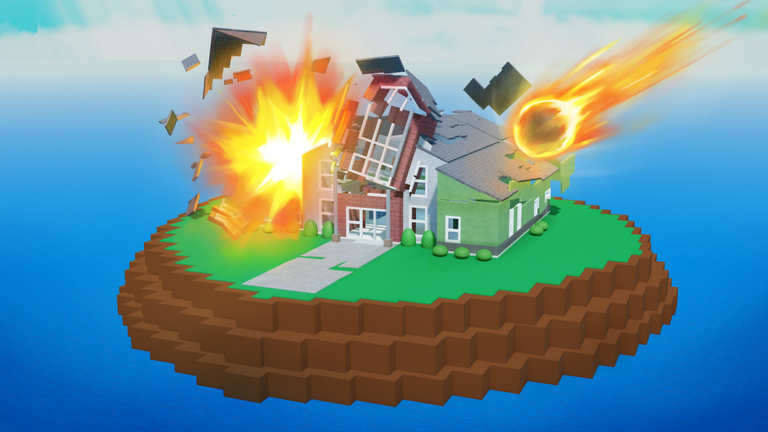
Natural Disaster Survival is all about staying on your feet when chaos strikes. Disasters come fast and hard, so you need to react instantly. Whether it's earthquakes, tsunamis, or explosions, the same core skills keep you alive: move quickly, position yourself smartly, and learn what each disaster does.
Here are the essential tips that will turn you from a panicked beginner into someone who actually survives.
Keep Moving Constantly
Standing still is a death wish. Disasters cover the map fast, and stationary targets get eliminated first. Always be moving, even if you're not sure where to go. Circular patterns work especially well because they keep you flowing across safe zones as the disaster spreads.
Learn What Each Disaster Does
Every disaster behaves differently. Some spread from one edge, others cover the whole map at once. Some are predictable, others random. Pay attention to how each one moves in your early rounds. Knowing whether to run up, down, or sideways can be the difference between survival and respawn.
Use Elevation to Your Advantage
Higher ground often gets you away from ground-based disasters longer. Tsunamis and floods won't reach you if you're on a platform or rooftop. But watch out for disasters that destroy buildings or come from above. Always have a mental backup plan in case your high ground becomes dangerous.
Watch Other Experienced Players
In the early seconds of a round, don't panic—observe. Watch where veteran players sprint to. They know the safe routes and timing. Following their movement patterns teaches you way faster than random running.
Anticipate Where the Disaster Spreads Next
Most disasters don't appear everywhere at once. They move in a direction or cover zones progressively. If you see the disaster starting from the left side, the right side will stay safe longer. Position yourself ahead of the disaster's path, not behind it.
Avoid Crowded Areas
When everyone bunches together, one disaster hits multiple players at once. Spread out slightly from the main group. You still stay near safe zones but give yourself more room to dodge and breathe.
Be Careful at Map Edges
Running off the map ends you just as fast as a disaster does. Leave enough space between you and the boundaries. If you're being pushed toward an edge, angle your movement to move along it rather than toward it.
React Fast When the Disaster Starts
The first few seconds are critical. As soon as a disaster appears, identify where it's spreading from and sprint away immediately. Hesitation costs you. Trust your reflexes and move now, think later.
Practice Your Jumping and Timing
Some disasters punish you if you're on the ground. Jumping at the right moment can clear obstacles or dodge projectiles. Jump early and often during intense moments, but don't waste jumps running flat ground—you'll lose speed.
Memorize Safe Zones
Each map has spots that tend to be safer longer than others. Rooftops, towers, and structures often protect you. Play the same map a few times and learn the geography. Knowing your escape routes before the disaster hits gives you an instant advantage.