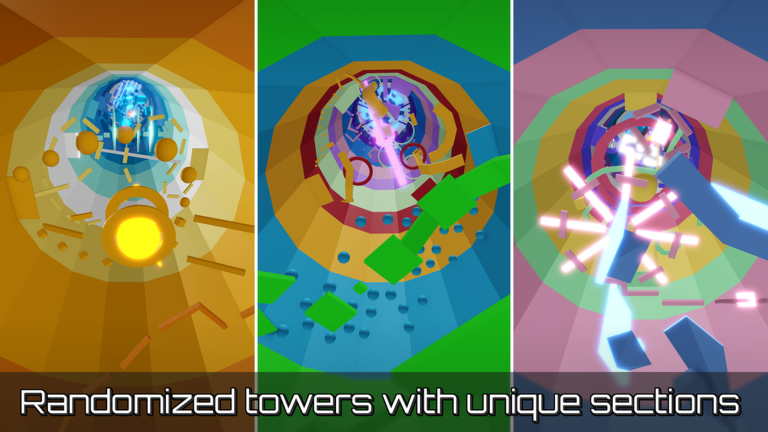
Tower of Hell is a randomly generated obby where you race to the top with zero checkpoints. One mistake and you're back at the bottom. The tower changes every round, but the skills you learn transfer instantly to every new layout.
By the end of this guide, you'll know the most effective shortcuts, movement tricks, and strategies to climb faster and survive longer.
Understand the Core Challenge
Tower of Hell features no safety net—there are no checkpoints. Every platform you skip, every wall you climb, every jump you nail keeps your streak alive. Every failure resets your progress to the lobby. The tower itself regenerates with new obstacles each round, so learning specific platforming patterns matters less than mastering movement and finding quicker routes.
Learn High-Value Shortcuts
The biggest time-savers in Tower of Hell come from finding alternate paths that bypass long platform sequences. Shortcuts vary by round since the tower is procedurally generated, but certain techniques appear repeatedly:
- Wall jumps between tight corridors let you skip entire sections by bouncing between vertical surfaces
- Ledge clips and corner boosts use precise positioning to skip standard routes
- Ceiling hangs let you cross gaps horizontally without the full floor path
- Momentum carries from ramps let you jump further than standard platform gaps
Practice these movement patterns in easier rounds so you can spot and execute them instantly when they appear in harder towers.
Master Movement Mechanics
Success in Tower of Hell depends on smooth, intentional movement. The standard controls remain the same across every round—you're just using them more precisely:
- Jump timing: Practice jumping slightly before reaching a platform edge so you have momentum going into the next obstacle
- Wall positioning: Stay close to walls when climbing vertical sections; distance from the surface costs speed
- Momentum management: Build speed on open paths, then control your entry into narrow sections
- Fall recovery: If you slip, immediately position yourself for the next jump rather than panicking
Smooth movement trumps flashy tricks. Consistency wins the tower.
Adapt to Procedural Obstacles
Each round generates new platform layouts. Instead of memorizing a fixed path, learn to read obstacles as they appear:
- Scan ahead before jumping—see the platform cluster three steps above you and plan your approach
- Identify bottlenecks where everyone slows down, then find the bypass
- Recognize platform types: thin ledges require precision, wide platforms let you build speed
- Notice which sections get crowded and which are empty—empty paths aren't always slower
The hardest towers often have obvious main routes that everyone fights through. Lateral movement, creative jumping, and wall usage often reveal faster routes no one else notices in your run.
Climbing Strategy
Long vertical sections appear in most towers. Here's how to handle them:
- Wall jump in alternating directions to maintain height gain momentum
- Don't jump wildly—controlled, purposeful jumps are faster than panicked bouncing
- If you slip partway up, try jumping diagonally to regain grip sooner
- Watch your stamina/energy if present—some platforms penalize rapid repeated jumps
Learn from Failure
Every fall is data. When you drop:
- Note where you failed (was it a timing issue, a shortcut you missed, or bad positioning?)
- Watch where other players succeed if they pass you
- Try alternate routes on your next run if the main path felt rough
- Don't repeat the same mistake twice—adjust immediately
Tower of Hell is designed to be difficult. Falling often is normal. The players who reach the top fastest are the ones who adapt quickest after each fall.
VIP Server Advantages
If you own a VIP server, you can customize your training environment. The settings menu lets you adjust tower size, skip rounds, and lock the shop. Use smaller towers to practice shortcuts without the time pressure of a full climb, then test your skills on larger towers once you're confident.