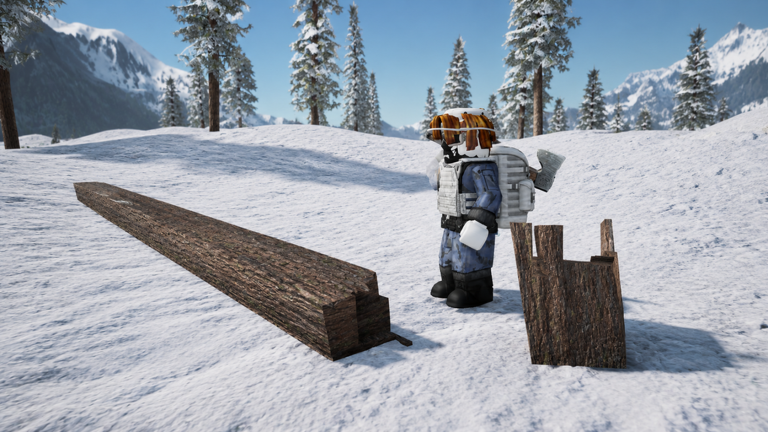
You're dropped into the frozen Arctic with nothing but your wits and bare hands. Your mission: make it 7 days before the rescue helicopter arrives. That's not as easy as it sounds. The cold will drain your heat meter, hunger will creep up on you, and a single mistake can end your survival run fast.
This guide walks you through your first survival run, from the moment you land to the final countdown before rescue.
Understand Your Meters
When you start, three meters appear on your screen. Watch these constantly—they determine if you live or freeze.
- Heat: The Arctic is deadly cold. Your body temperature drops over time. If heat reaches zero, you die. Fire, warm clothing, and shelter all slow the drop.
- Hunger: Your stomach empties as you work and move. Fishing and cooking food restore it. Let hunger hit zero and you're done.
- Thirst: You need water to survive. Find sources and drink regularly or dehydration will kill you.
Prioritize in this order: heat (stops you immediately), then hunger, then thirst. If your heat meter is critical, rush to your fire first.
Day 1: First Hour Survival
Your first moves matter. You have limited daylight and energy.
- Collect wood. Look for sticks and fallen branches around your spawn point. Gather at least 10–15 pieces. You'll burn through fuel fast.
- Find stones. Rocks are everywhere. Collect 8–10 of them. You'll use these to craft tools and build.
- Pick a shelter spot. Look for flat ground near water but away from wind exposure if possible. A spot near trees for wood is ideal.
- Build a fire. This is your lifeline. Craft or place a campfire using your wood and stones. Light it immediately. Keep it fed constantly—a dead fire means a dead player.
- Build basic shelter walls. Once your heat is stable, build simple walls around your fire using sticks and stones. A crude box shape works. This blocks wind and keeps heat in.
Keep Your Fire Burning
Your fire is everything. A burning fire keeps you warm, lets you cook food, and provides light at night. A dead fire is a death sentence in the Arctic.
Monitor your fire's fuel constantly. When flames start shrinking, add wood immediately. Don't wait until it's nearly out—you might freeze before you can feed it again.
Use your fire to cook raw fish or any meat you catch. Cooked food restores more hunger than raw food and sometimes provides extra heat. Cook whenever possible.
If your fire dies, you'll have a hard time restarting it. Keep a steady wood supply nearby—ideally stored inside your shelter so it doesn't get buried in snow.
Fish for Food
Hunting is risky and time-consuming. Fishing is your reliable food source.
- Find a water source (river or pond) near your shelter.
- Use a fishing rod if you have one, or craft a basic one from sticks.
- Fish when you're not at critical hunger levels. Spending hours hunting with low hunger will kill you.
- Cook every fish at your fire before eating. Cooked fish restores more and tastes better.
Fish regularly, even when you're not hungry. Store cooked fish in your shelter so you have emergency food during tough nights.
Manage Your Heat
Heat is your most urgent concern. The Arctic cold is relentless.
- Stay near your fire. The closer you are, the faster your heat recovers. Spend downtime sitting by the flames.
- Build walls. A shelter without full walls wastes heat. Build up all four sides and a roof if you can to trap warmth.
- Work efficiently. Every second away from fire costs heat. Gather resources, fish, and complete tasks, then return to warmth. Don't wander aimlessly.
- Watch the night. Nights are colder. Your heat drops faster. Plan your evening routine: stoke the fire, cook extra food, gather extra wood, then settle in for the night.
Days 2 Through 6: The Routine
Once your shelter is built and your fire is stable, survival becomes a rhythm.
Each day: wake up, feed your fire, check your hunger and thirst, fish or hunt for food, cook, reinforce your shelter, gather extra wood for the night, and settle in before dark.
Use early days to gather supplies. Build walls higher, stockpile wood, catch extra fish, and improve your shelter. The more prepared you are, the easier late days become.
Don't try to explore far or tackle dangerous tasks on low hunger or heat. Safety first. Progress second.
Day 7: Rescue Arrives
If you've made it this far, you've already won. Day 7 brings the rescue helicopter.
Stay alive until it lands. Keep your fire burning, keep your belly full, and keep your heat up. There's no reason to take risks now.
When the helicopter arrives and rescue is confirmed, your survival run is complete. You made it.
Common Beginner Mistakes
- Ignoring heat early. Players often focus on hunger first. Heat kills faster. Fix your fire before you fish.
- Building shelter too far from water. Long walks drain heat and energy. Plan your base location carefully.
- Letting your fire die. Restarting a fire is hard. Keep it burning. Always. Check it every few minutes.
- Eating raw food. Cook everything. Cooked food is worth more hunger points and sometimes gives heat bonuses.
- Sleeping through the night without supplies. Gather enough wood and food before dark so you can survive the night without leaving your shelter.
- Wandering too far. The Arctic is huge. It's easy to get lost and freeze. Stay close to your base during the early days.
Know Your Controls
Standard Roblox controls apply. WASD to move, Space to jump, E or F to interact with objects like your fire or crafting station. Check your game settings for exact key bindings.
Collecting wood, stone, and other resources happens by walking near them or clicking them. Crafting happens at your crafting station or fire. Learn these mechanics fast—they'll save your life when panic hits.