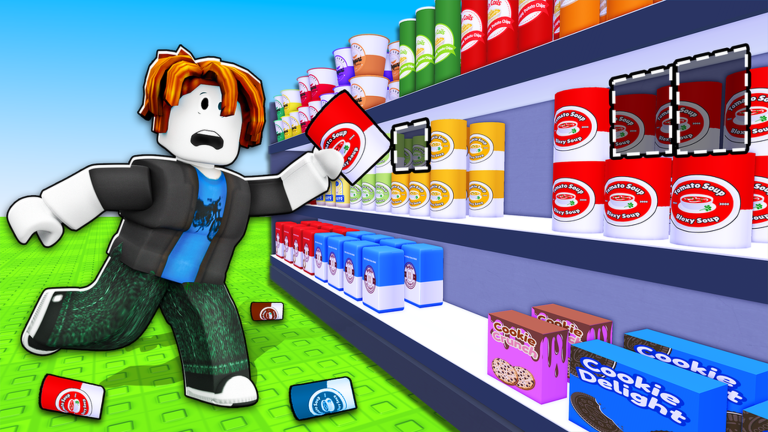
Clean the Supermarket! is all about sorting chaos. You'll pick up hundreds of items scattered around and place them back on shelves where they belong. The more you complete, the more your supermarket sprawls—and the harder it gets. Here's how to start strong.
Learn Your Controls
Before you start, memorize your interact button. On PC, it's E to grab items and Click to place them. On console, use RT for both interact and place, and B/O to drop items if you mess up. Knowing these cold saves seconds during rush moments.
Grab Items in Clusters
Don't pick up one item at a time. When you see a pile of the same product, grab multiple at once if the game lets you. This speeds up your workflow and you'll complete aisles faster. Grouping by item type as you move also reduces backtracking.
Organize by Shelf Zones
The supermarket is organized into sections. Learn which items belong where—food goes with food, cleaning supplies with cleaning supplies. This makes restocking feel less random and keeps you from wasting time hunting for the right shelf.
Prioritize High-Value Items
Not all items are created equal. Some are harder to find or take longer to stock. Knock those out first when you're fresh and focused. Tackle the messy spots while your energy is high.
Buy Upgrades Strategically
As you earn cash from completing tasks, upgrades make you faster and more efficient. Speed upgrades help you move quicker, while capacity upgrades let you carry more items at once. Both pay off. Invest in whichever bottlenecks you first.
Use Drop Strategically
The drop button (F on PC, B/O on console) clears your hands fast. Use it when you've grabbed the wrong item or need to reset quickly instead of walking all the way back to put something down. It's a lifesaver during chaotic moments.
Work on One Section at a Time
Instead of bouncing around the supermarket, focus on completing one aisle or zone before moving on. This keeps items fresh in your mind and prevents you from forgetting where things belong.
Check Your Progress Often
The game shows you what's left to stock. Take quick glances to see which sections need the most work. This helps you plan your route and avoid wasting effort on areas that are already done.